
Makgadikgadi Pans
12,000 km² of ancient salt flats — zebra migrations, starlit sleep-outs, meerkats, and San Bushmen culture.
The Makgadikgadi Pans are the remnants of an ancient super-lake — Lake Makgadikgadi — that once covered an area larger than Switzerland. Today, two vast salt pans — Ntwetwe Pan and Sua Pan — extend across approximately 12,000 square kilometres of the Kalahari, creating one of the largest salt flats in the world and one of Africa's most surreal and otherworldly landscapes. During the dry winter months (May-October), the pans are blindingly white, cracked expanses stretching to the horizon, where the sky and earth merge in a shimmering mirage. The transformation begins with the summer rains. From November to April, shallow waters fill the pans, attracting one of Africa's last great zebra migrations — approximately 25,000 Burchell's zebra trek from the Boteti River to the nutritious grasslands that sprout on the pans' edges. This gathering also attracts wildebeest, springbok, and their predators including lion, cheetah, and brown hyena. When conditions are right, breeding colonies of greater and lesser flamingos appear on Sua Pan, their pink masses reflected in the shallow water against the white salt backdrop. The Makgadikgadi experience is unlike any other in Africa. Quad bike excursions across the pans, sleep-outs under the Milky Way on the salt flats, meerkat habituation experiences at Jack's Camp, and interactions with the San Bushmen — one of the world's oldest continuous cultures — add dimensions of adventure and cultural depth. Chapman's Baobab, one of the oldest and most famous trees in Africa, stands on the edge of the pans, while the Kubu Island granite outcrop, sacred to the San, is strewn with ancient stone tools and offers panoramic views across the salt expanse.
12,000 km² of ancient salt flats — zebra migrations, starlit sleep-outs, meerkats, and San Bushmen culture.
Best Time to Visit
November to April for the zebra migration, flamingos, and green-season wildlife. May to October for dry-season quad bike excursions across the salt pans and sleep-outs under the stars. Meerkat experiences available year-round.
What You'll See
25, 000 migrating zebra, wildebeest, springbok, brown hyena, lion, cheetah, habituated meerkats, greater and lesser flamingos (seasonal), pelicans. The Boteti River supports hippo and crocodile year-round.
Getting There
Light aircraft from Maun to Makgadikgadi airstrips (30-45 minutes). 3-hour drive from Maun to Nata. The pans are often combined with the Okavango Delta for a contrast of water and desert landscapes.
Makgadikgadi Pans in Pictures
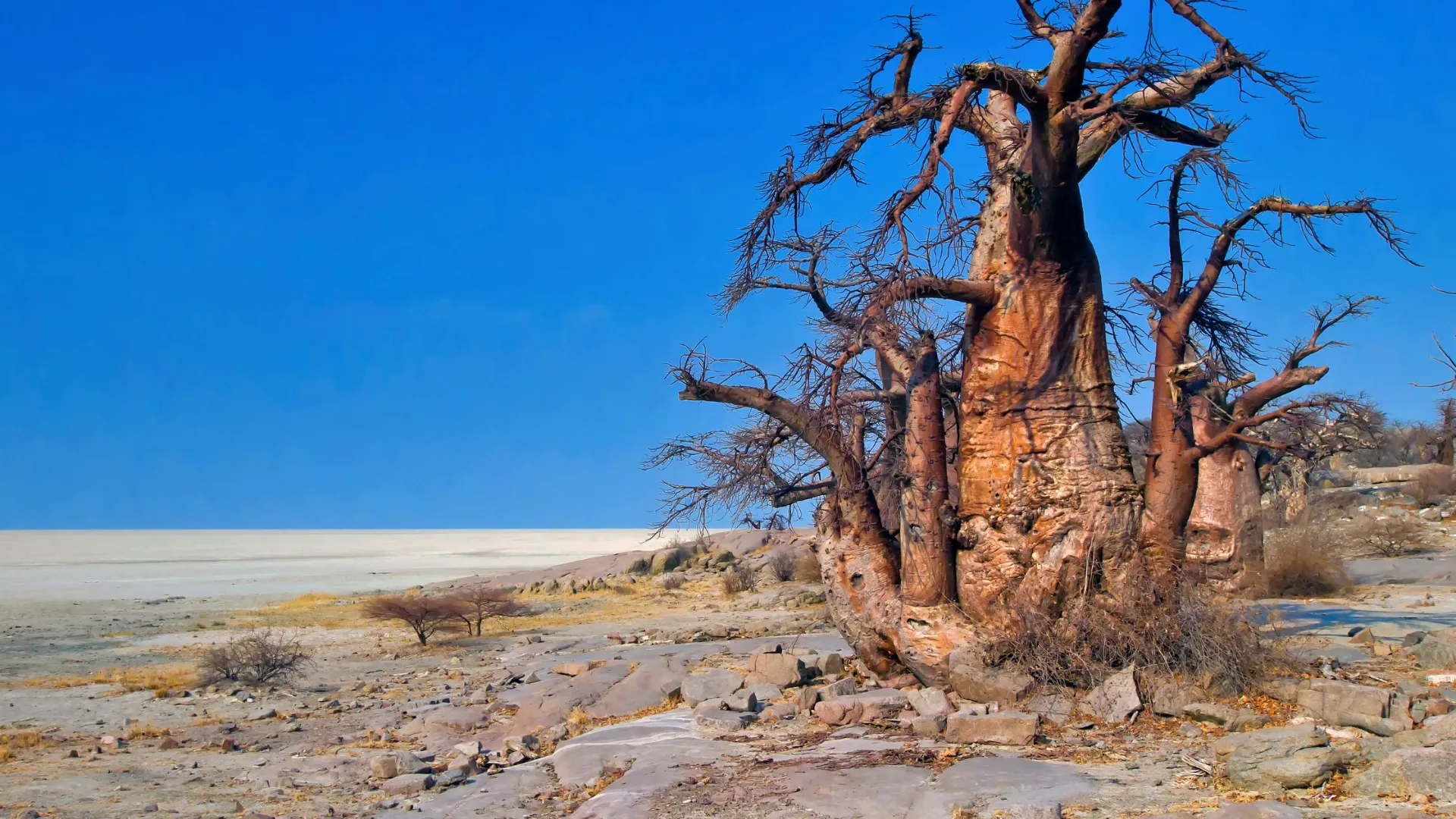
Safaris in Makgadikgadi Pans
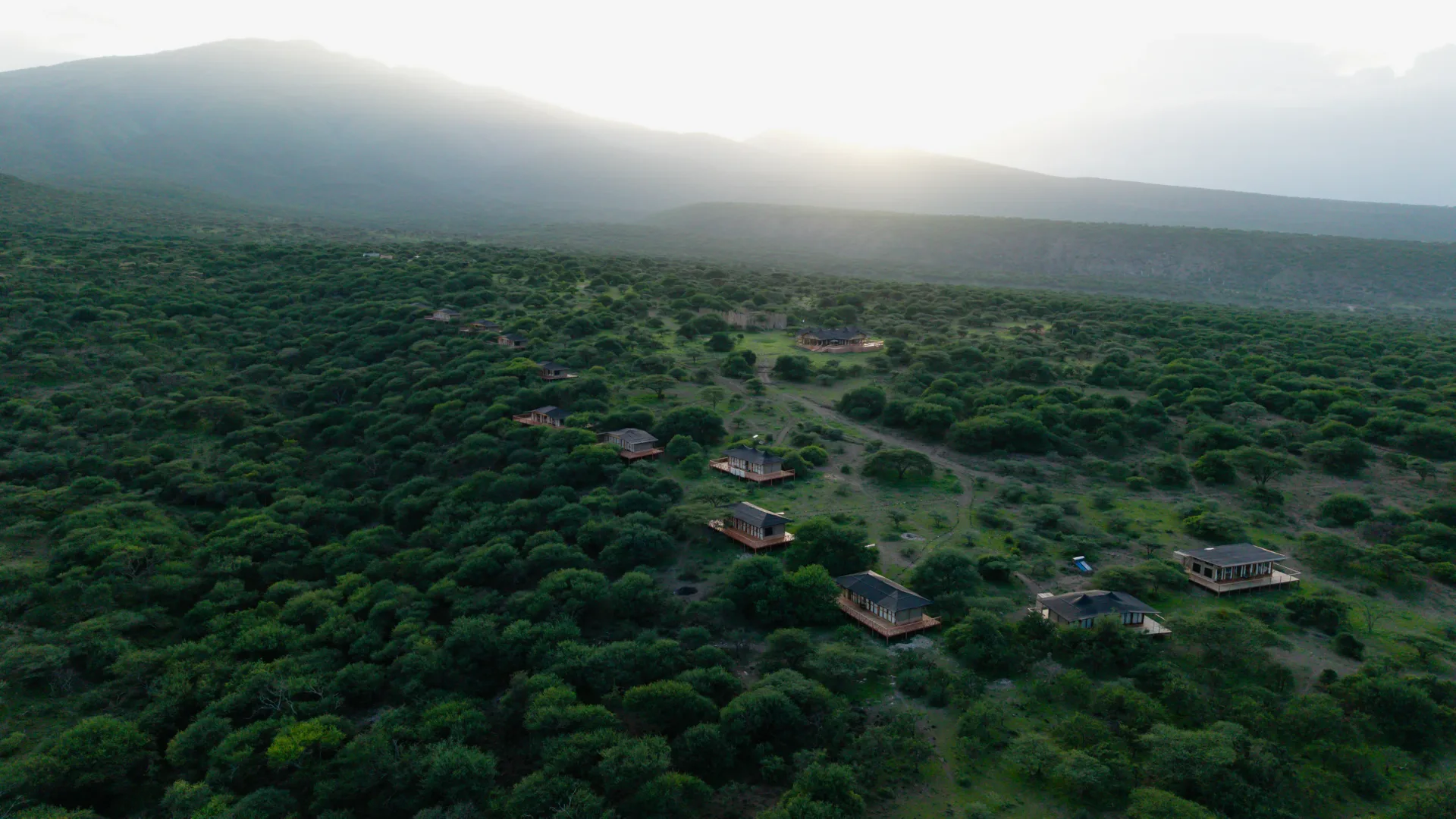
Serengeti & Ngorongoro Private Safari
7 Days
A 7-day private luxury safari through Tanzania's Serengeti plains and Ngorongoro Crater with exclusive lodge stays and dedicated guide.
$4,500 per person
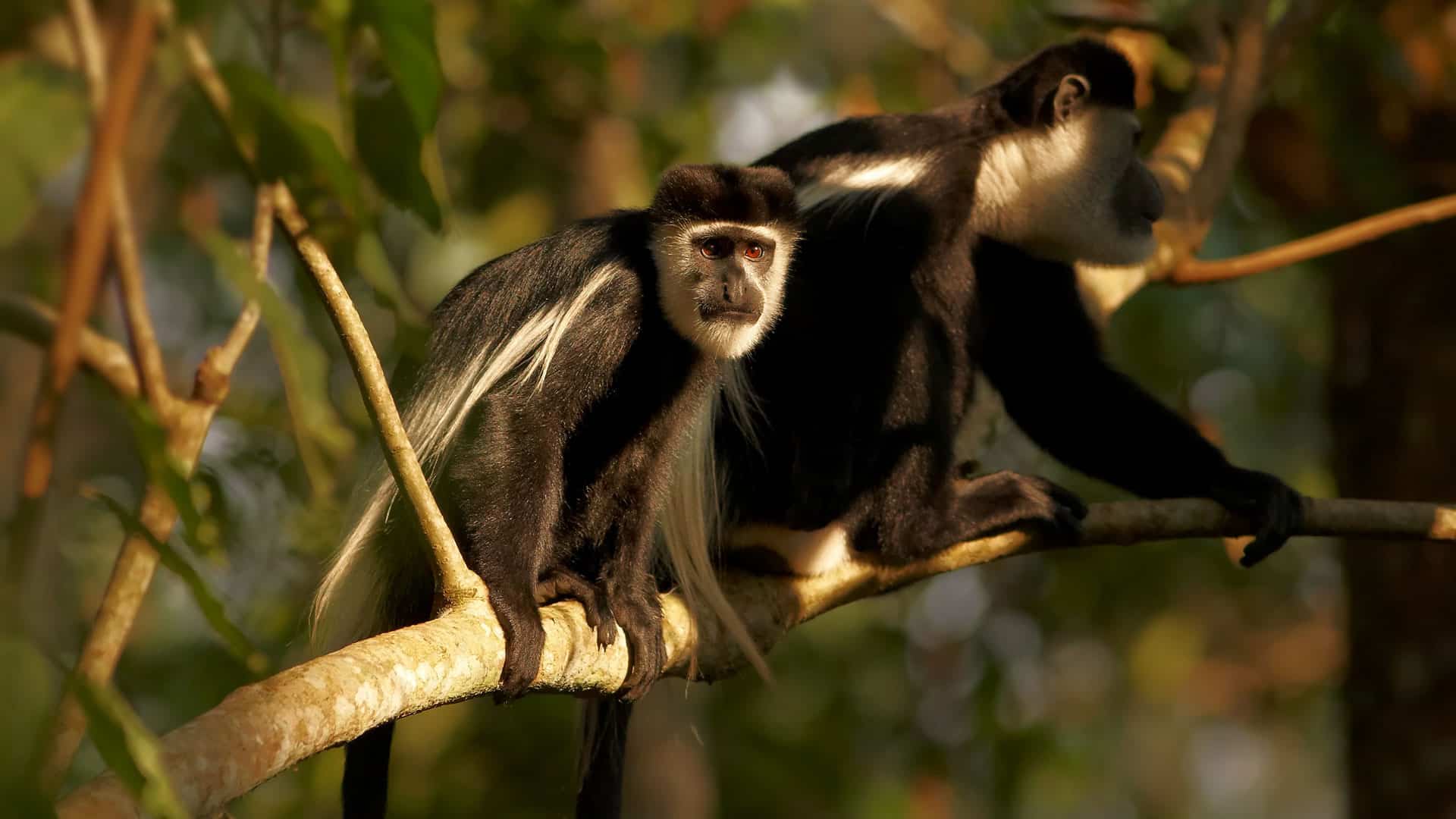
Uganda Primates & Wilderness
7 Days
A 7-day luxury Uganda safari combining mountain gorilla trekking in Bwindi, chimpanzee tracking in Kibale, and Queen Elizabeth NP wildlife.
$4,800 per person
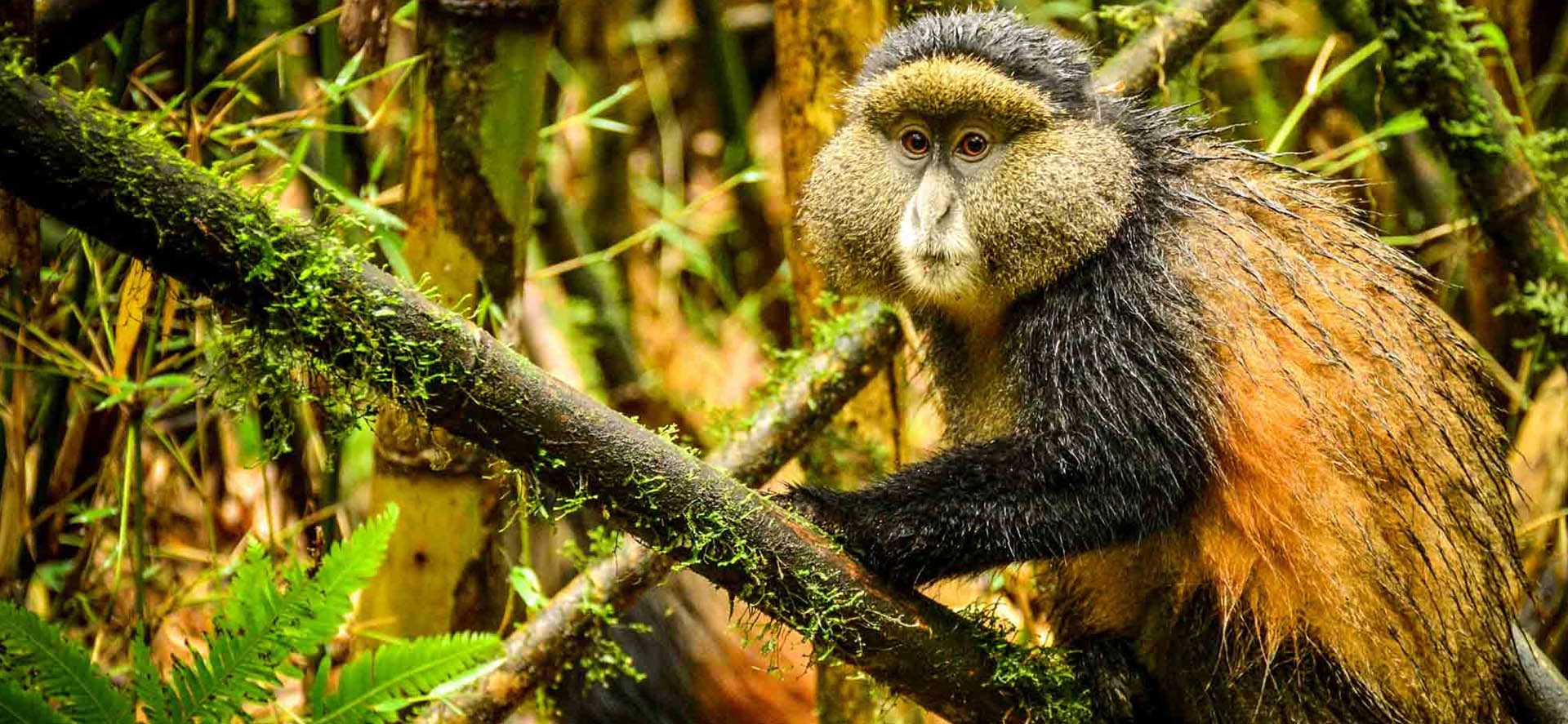
Rwanda Gorilla & Golden Monkey Trek
5 Days
A 5-day luxury Rwanda experience combining mountain gorilla trekking, golden monkey encounters, and Nyungwe Forest canopy walks.
$5,500 per person
Kenya Private Conservancy Safari
8 Days
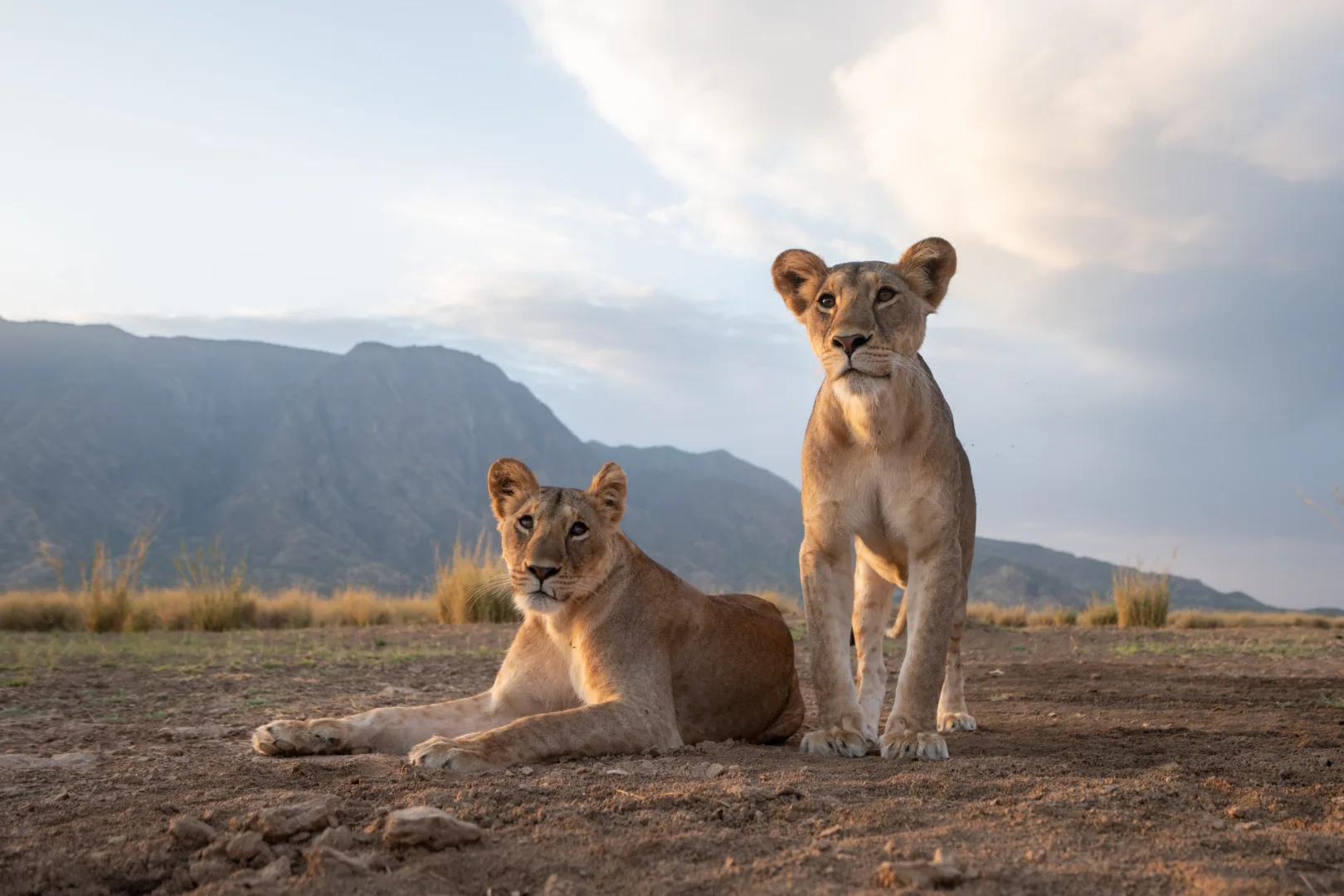
An 8-day luxury Kenya safari through private conservancies — Ol Pejeta rhinos, Laikipia walking safaris, and Masai Mara's big cats.
$6,200 per person
Kruger to Indian Ocean
9 Days
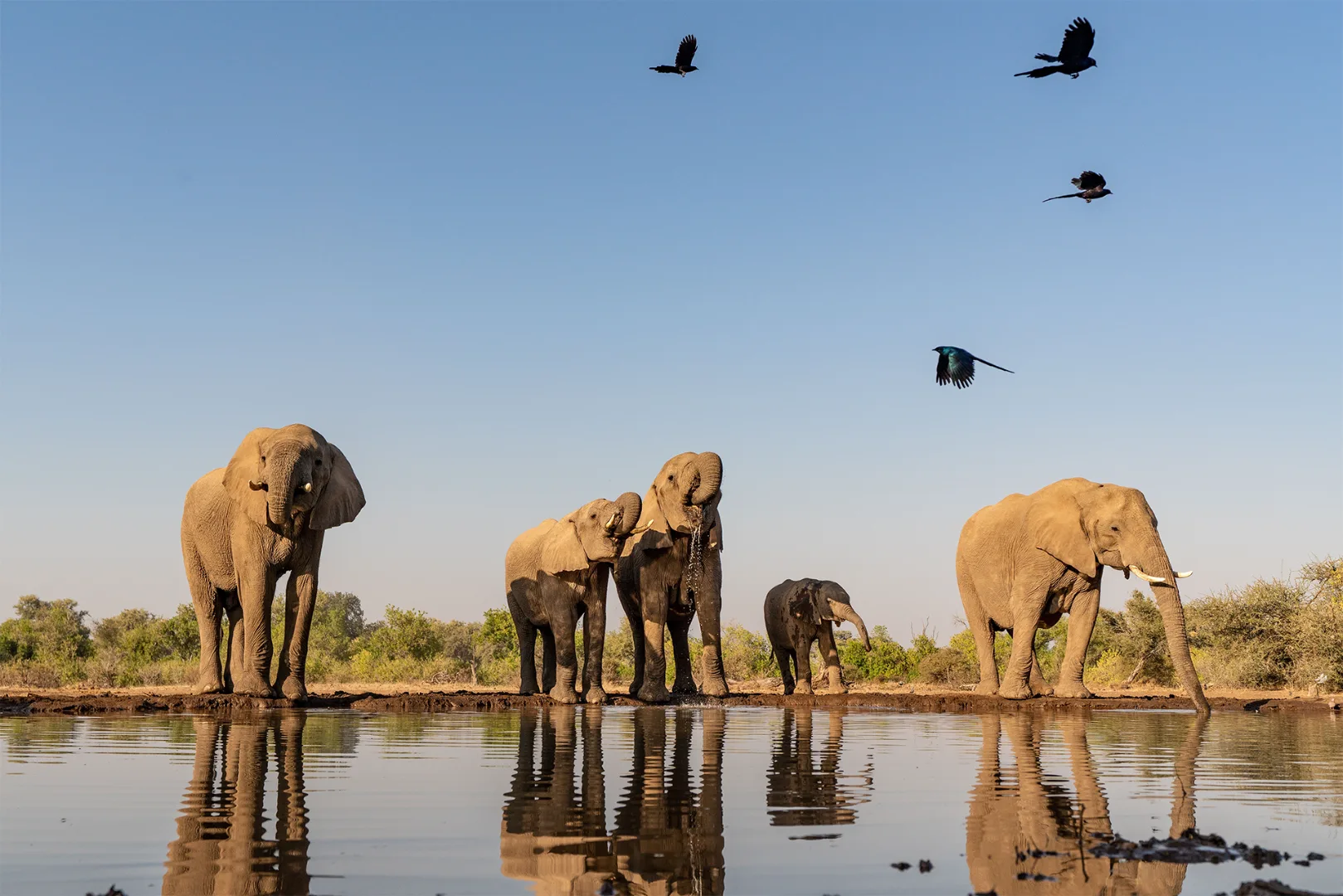
A 9-day luxury journey from Big Five game drives in South Africa's Sabi Sands to the pristine Bazaruto Archipelago in Mozambique.
$7,500 per person
Great Migration Luxury Experience
10 Days
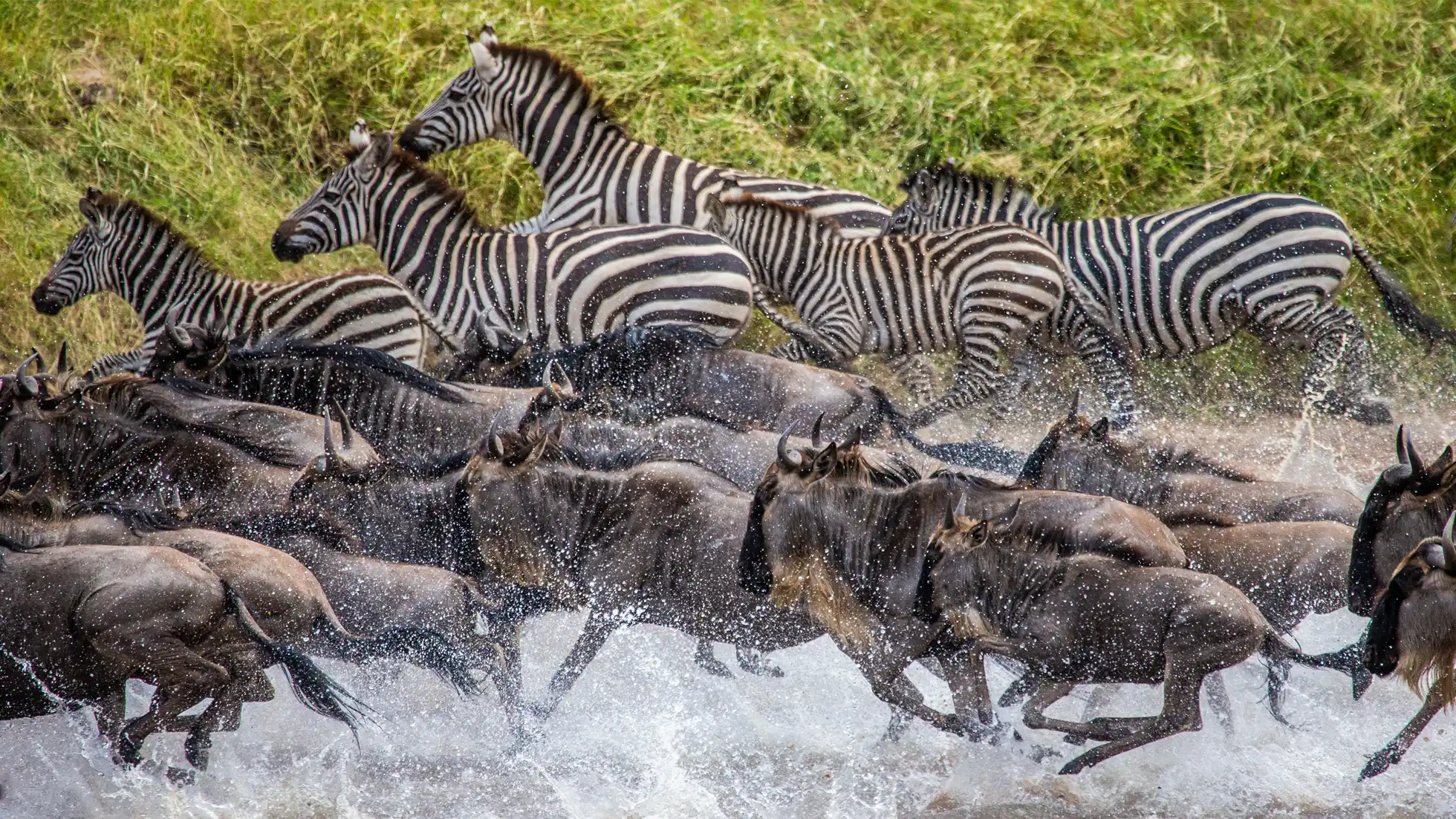
A 10-day luxury migration safari tracking two million wildebeest across Tanzania's Serengeti, with stays at Africa's finest tented camps.
$7,800 per person
Explore Other Destinations
Masai Mara National Reserve
Africa's most famous reserve — Great Migration river crossings, 850 lions, and the pioneering conservancy model.
Read Guide →Serengeti
Home to the only championship golf course inside a major national park — Par 72, 7,065m, wildlife on every hole
Read Guide →Bwindi Impenetrable Forest
Trek to meet mountain gorilla families in 25,000-year-old UNESCO forest — Africa's ultimate wildlife encounter.
Read Guide →Volcanoes National Park
Africa's first national park — 604 mountain gorillas across the Virunga volcanoes where Dian Fossey made history.
Read Guide →Greater Kruger
25,000 km² of Big Five bushveld — world-class leopard sightings in the Sabi Sand and Africa's greatest wildlife reserve.
Read Guide →Okavango Delta
The world's largest inland delta — mokoro safaris, fly-in camps, and 22,000 km² of pristine Kalahari wetland.
Read Guide →Ready to Explore Makgadikgadi Pans?
Browse our curated safaris — every journey is designed by Africa-based experts and secured through Inspiration Africa.
Find Your Perfect Safari