
Amboseli National Park
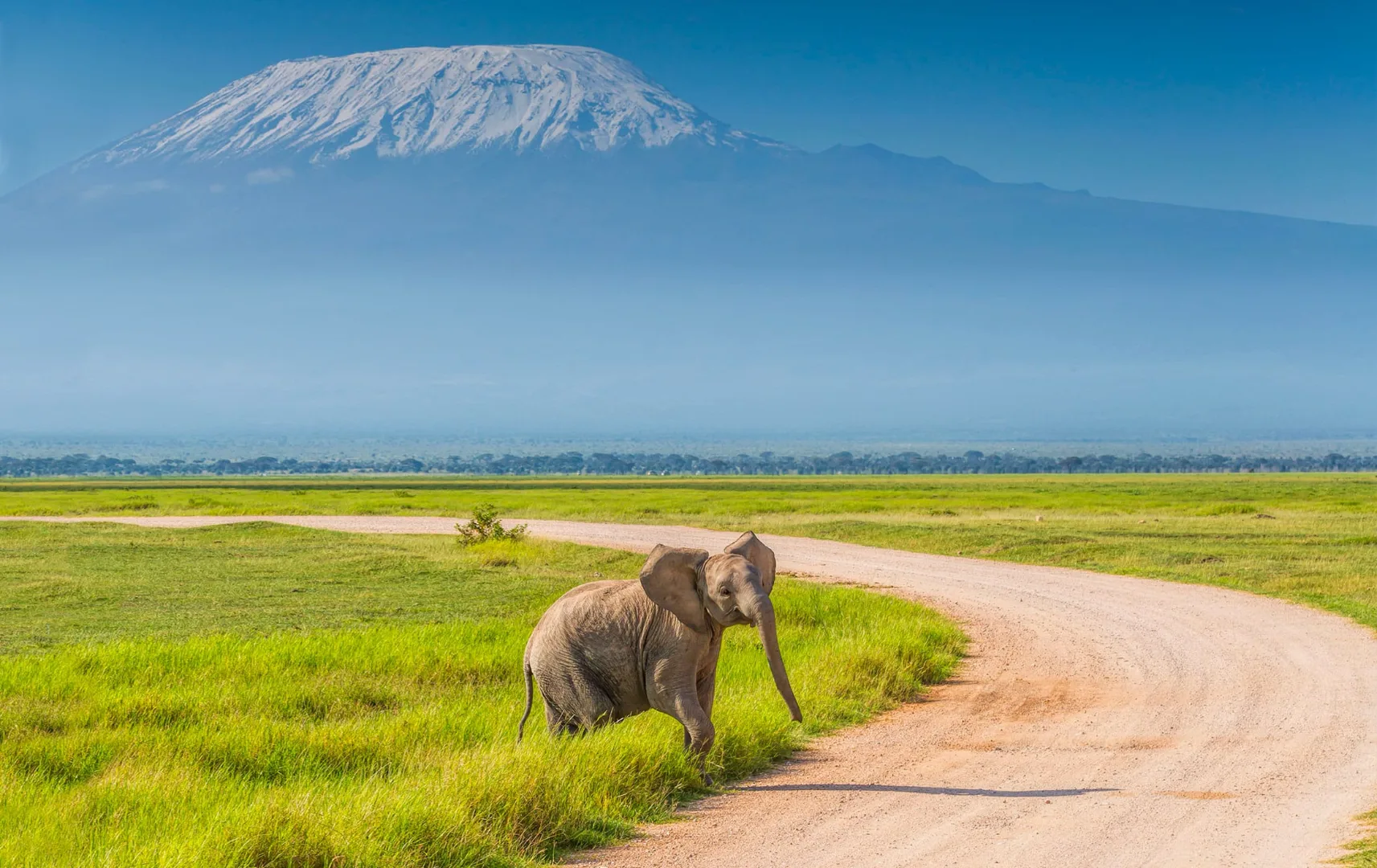
Africa's most iconic photo — big-tusked elephants framed by Kilimanjaro's snow-capped peak.
Amboseli National Park encompasses 392 square kilometres of savannah, swampland, and dried-up lake bed at the foot of Mount Kilimanjaro, providing what is arguably Africa's most iconic photographic backdrop — herds of large-tusked elephants silhouetted against the snow-capped peak of the continent's highest mountain. The park's relatively small size belies its enormous wildlife significance and its role in some of the longest-running mammal research projects in Africa. The Amboseli Elephant Research Project, initiated by Dr Cynthia Moss in 1972, has individually identified and tracked over 3,200 elephants across more than five decades, making the Amboseli elephant population the best-studied in the world. The park's approximately 1,800 elephants include matriarchs whose life histories span 60-70 years and bulls carrying some of the largest tusks remaining in Africa. Their tolerance of vehicles — a result of decades of benign research presence — allows for extraordinarily close encounters. Amboseli's ecosystem centres on springs fed by Kilimanjaro's underground meltwater, which emerge as permanent swamps (Enkongo Narok and Ol Tukai) amid otherwise semi-arid terrain. These wetlands attract dense concentrations of hippo, waterfowl, and wading birds, while the surrounding dry savannah supports lion, spotted hyena, zebra, wildebeest, and giraffe. The park's open landscapes and consistent clear mornings — Kilimanjaro is typically visible before cloud cover builds — make Amboseli a photographer's paradise. Over 400 bird species have been recorded, and the combination of wetland and savannah habitats produces exceptional birding year-round.
Africa's most iconic photo — big-tusked elephants framed by Kilimanjaro's snow-capped peak.
Best Time to Visit
June to October for dry season game viewing with Kilimanjaro visible in early mornings. January to February is also excellent. Kilimanjaro views are clearest at dawn, typically obscured by clouds by mid-morning year-round.
What You'll See
1, 800+ elephants with some of Africa's largest remaining tuskers, lion, spotted hyena, cheetah, hippo, zebra, wildebeest, giraffe, 400+ bird species. The swamps support pelican, African jacana, malachite kingfisher, and goliath heron.
Getting There
30-minute charter flight from Nairobi Wilson Airport to Amboseli airstrip. 4-hour drive from Nairobi (240 km) via Namanga. Road conditions are generally good on the main route. The park can be combined with Tsavo for an extended southern Kenya circuit.
Amboseli National Park in Pictures
Safaris in Amboseli National Park
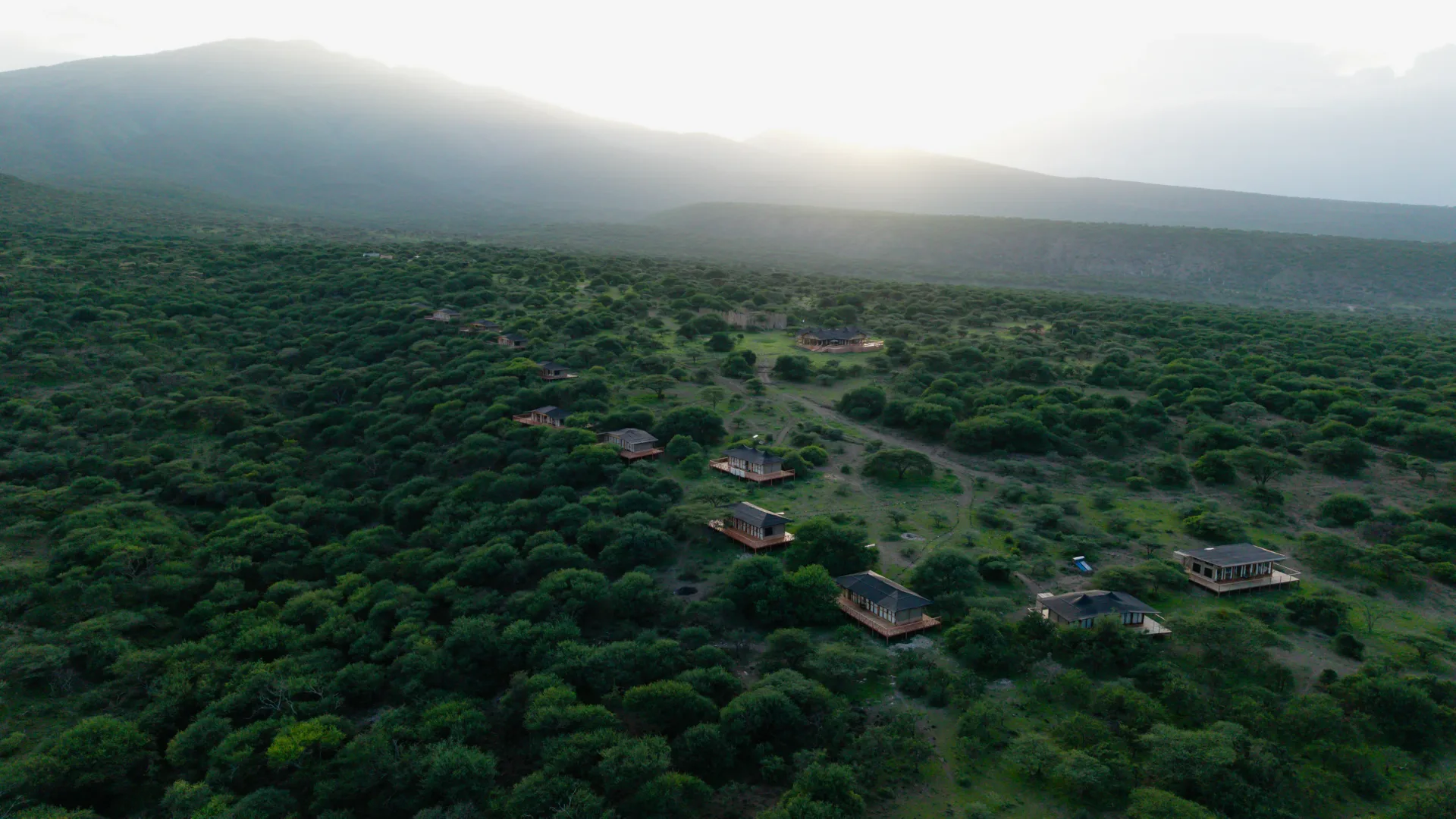
Serengeti & Ngorongoro Private Safari
7 Days
A 7-day private luxury safari through Tanzania's Serengeti plains and Ngorongoro Crater with exclusive lodge stays and dedicated guide.
$4,500 per person
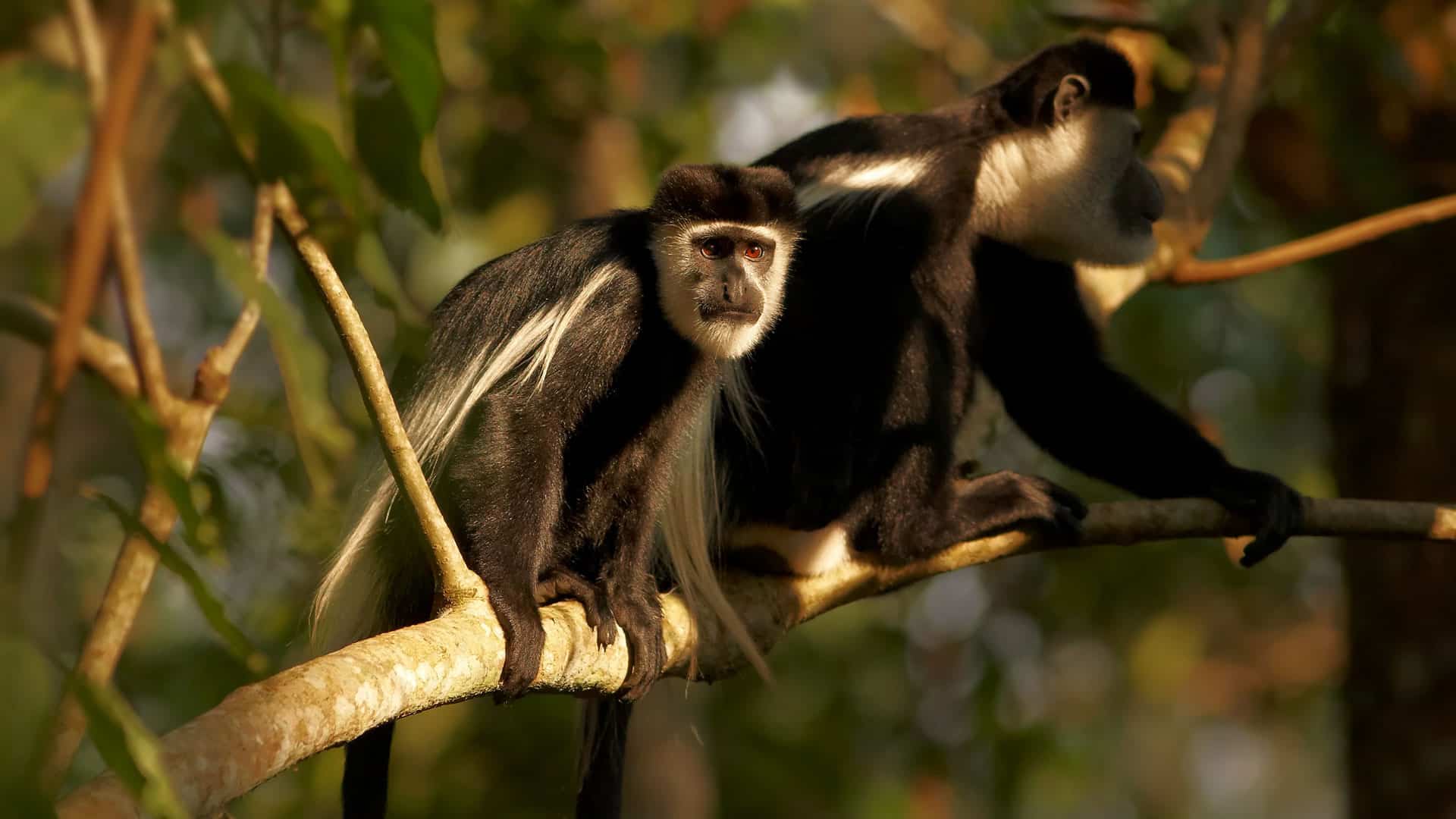
Uganda Primates & Wilderness
7 Days
A 7-day luxury Uganda safari combining mountain gorilla trekking in Bwindi, chimpanzee tracking in Kibale, and Queen Elizabeth NP wildlife.
$4,800 per person
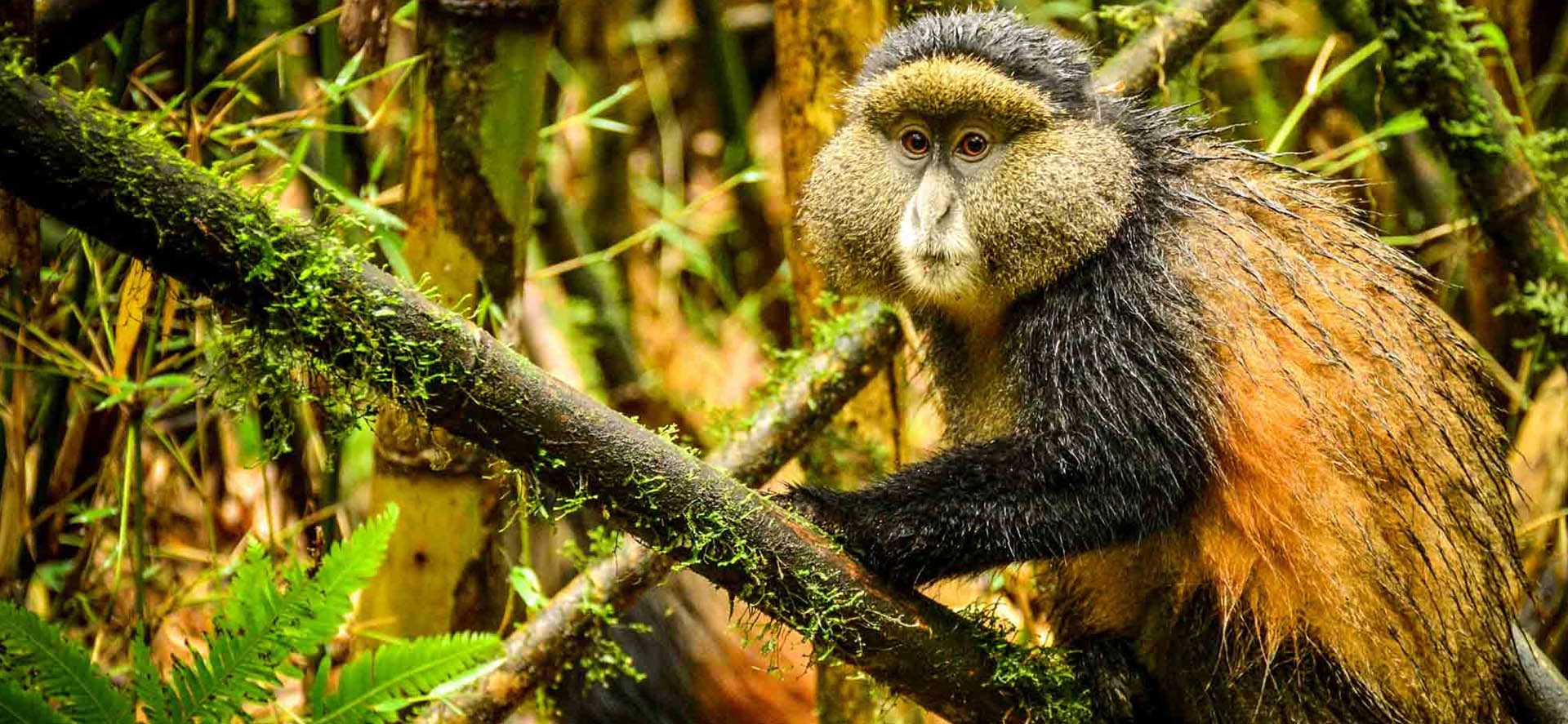
Rwanda Gorilla & Golden Monkey Trek
5 Days
A 5-day luxury Rwanda experience combining mountain gorilla trekking, golden monkey encounters, and Nyungwe Forest canopy walks.
$5,500 per person
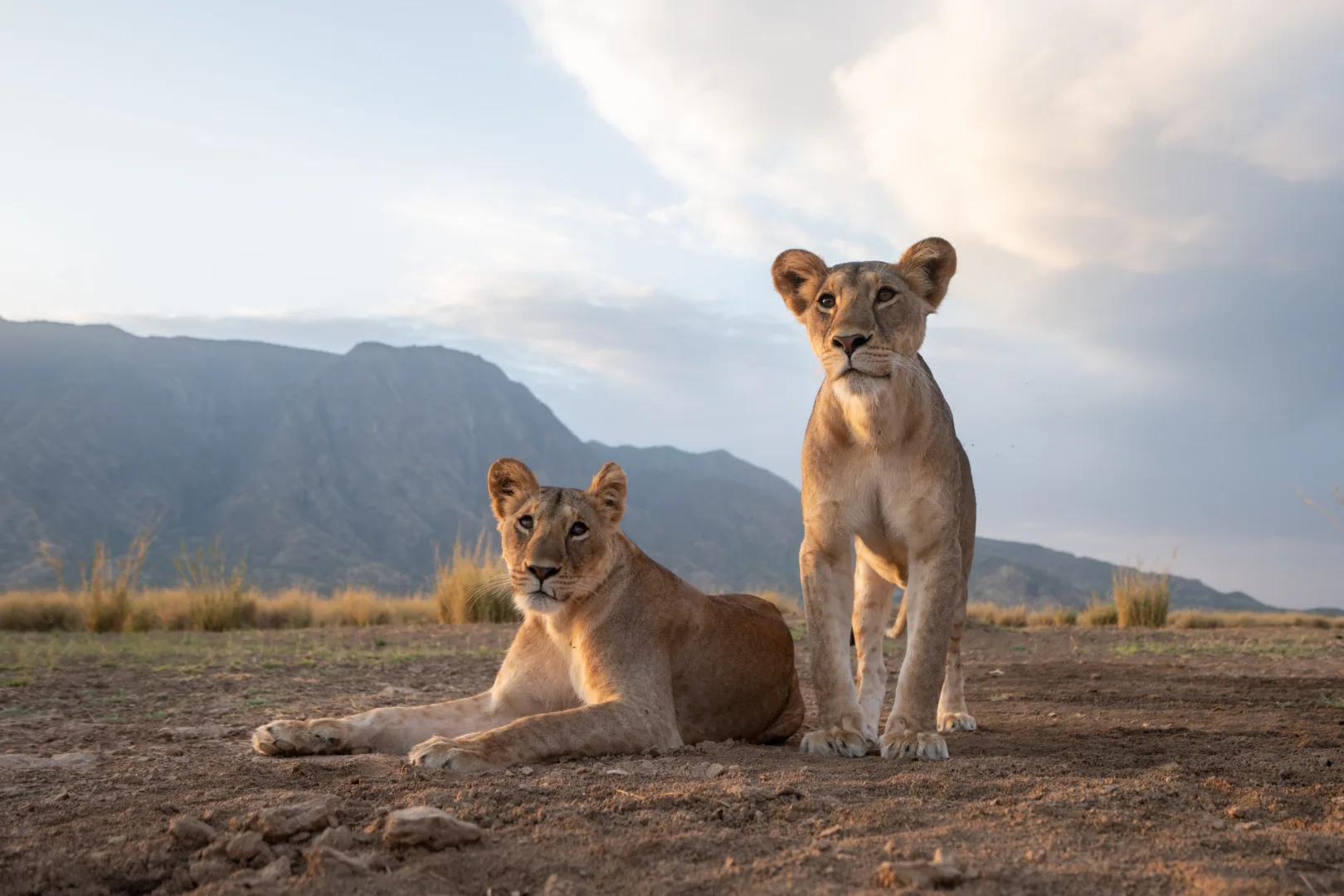
Kenya Private Conservancy Safari
8 Days
An 8-day luxury Kenya safari through private conservancies — Ol Pejeta rhinos, Laikipia walking safaris, and Masai Mara's big cats.
$6,200 per person
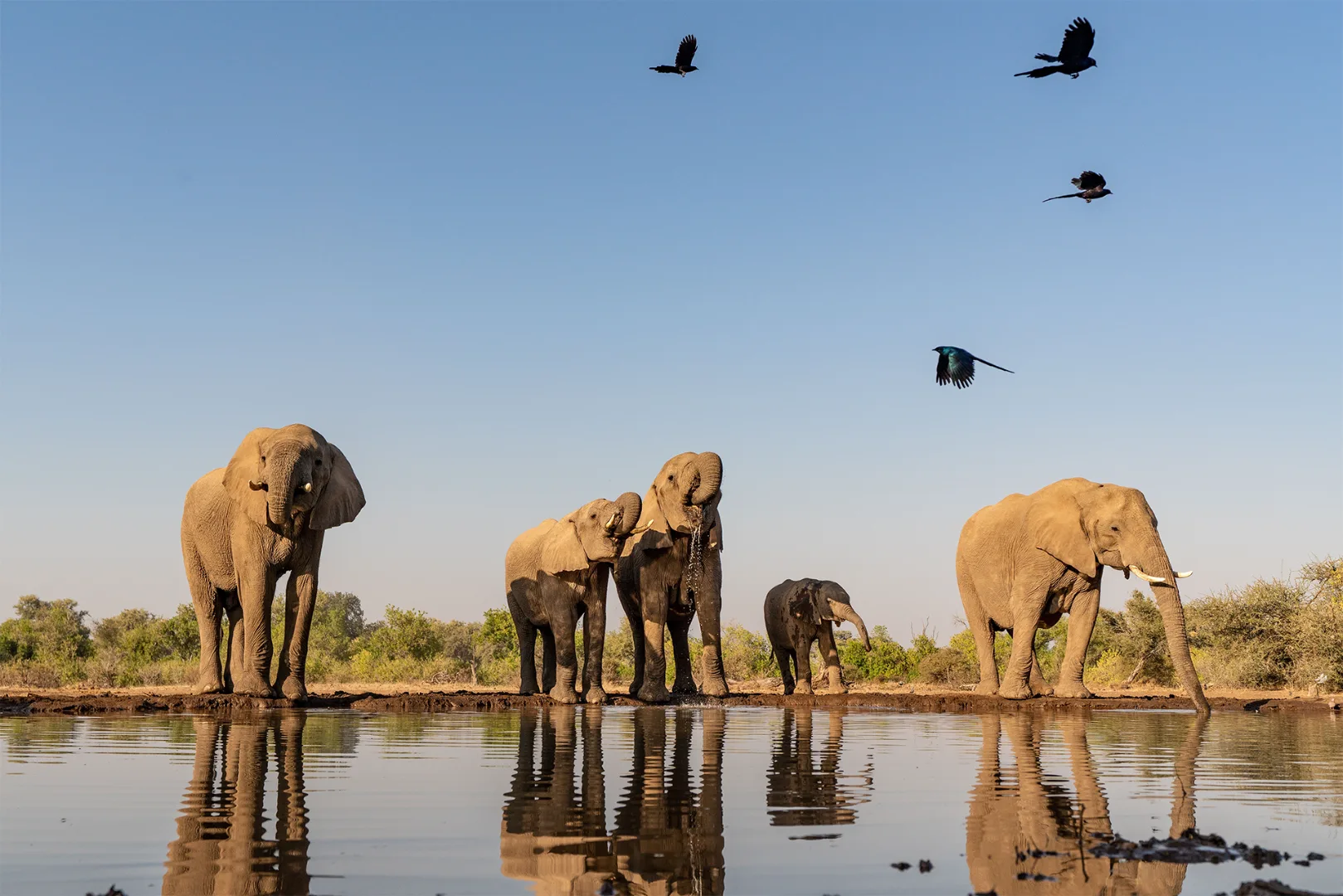
Kruger to Indian Ocean
9 Days
A 9-day luxury journey from Big Five game drives in South Africa's Sabi Sands to the pristine Bazaruto Archipelago in Mozambique.
$7,500 per person
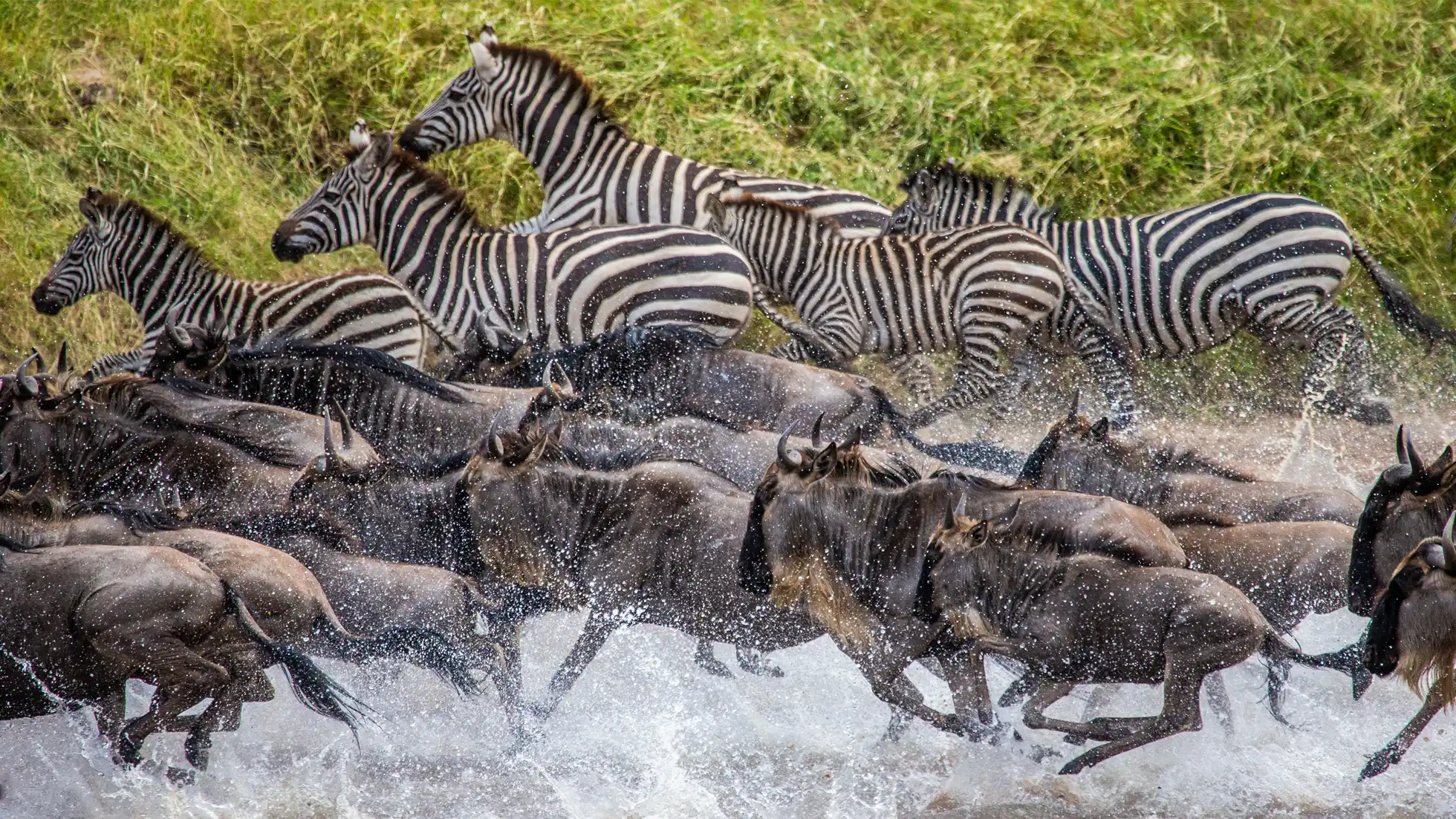
Great Migration Luxury Experience
10 Days
A 10-day luxury migration safari tracking two million wildebeest across Tanzania's Serengeti, with stays at Africa's finest tented camps.
$7,800 per person
Explore Other Destinations
Masai Mara National Reserve
Africa's most famous reserve — Great Migration river crossings, 850 lions, and the pioneering conservancy model.
Read Guide →Serengeti
Home to the only championship golf course inside a major national park — Par 72, 7,065m, wildlife on every hole
Read Guide →Bwindi Impenetrable Forest
Trek to meet mountain gorilla families in 25,000-year-old UNESCO forest — Africa's ultimate wildlife encounter.
Read Guide →Volcanoes National Park
Africa's first national park — 604 mountain gorillas across the Virunga volcanoes where Dian Fossey made history.
Read Guide →Greater Kruger
25,000 km² of Big Five bushveld — world-class leopard sightings in the Sabi Sand and Africa's greatest wildlife reserve.
Read Guide →Okavango Delta
The world's largest inland delta — mokoro safaris, fly-in camps, and 22,000 km² of pristine Kalahari wetland.
Read Guide →Ready to Explore Amboseli National Park?
Browse our curated safaris — every journey is designed by Africa-based experts and secured through Inspiration Africa.
Find Your Perfect Safari